

If you’ve looked into advertising your business on Google, you’ve probably run into two options that sound almost the same: Google Ads and Google Local Services Ads. Both are run by Google, both put your business in front of people searching for what you offer, and both can generate real leads. But they work very differently and choosing the right one (or the right combination) can have a big impact on your cost per lead and your return on ad spend.
Here’s a clear breakdown of how they differ and how to decide which is right for your business.
What Are Google Local Services Ads?
Google Local Services Ads (LSAs) appear at the very top of the search results above regular search ads when someone looks for a local service. They typically show your business name, rating, and a “Google Guaranteed” or “Google Screened” badge, along with a way to call or message you directly.
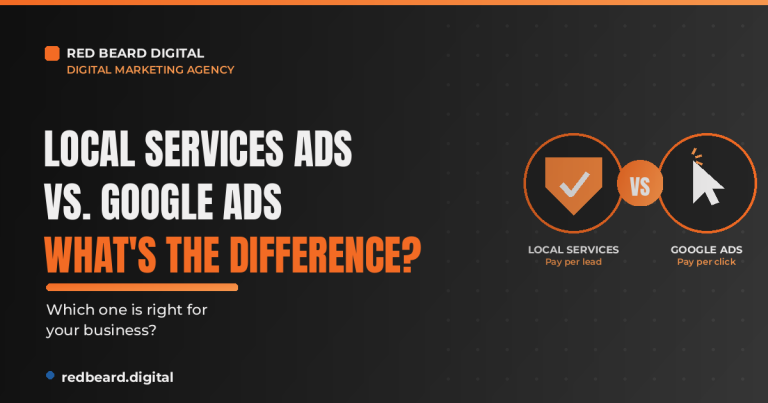
The defining feature is the pricing model: you pay per lead, not per click. You’re charged when a potential customer actually contacts you through the ad, not every time someone clicks. To run LSAs, your business goes through a verification process that can include background, license, and insurance checks which is exactly what earns you that trust badge. Rather than choosing keywords, you tell Google your services and service area, and Google matches you to relevant searches based on factors like proximity, your reviews, responsiveness, and business hours.
LSAs are limited to eligible industries primarily home services, professional services, and care-related fields — and availability varies by location.
What Are Google Ads?
Google Ads is Google’s broader advertising platform. On the search network, these are the “Sponsored” results that appear below Local Services Ads and around the organic listings. Beyond search, Google Ads also covers display banners, YouTube, Shopping, and more.
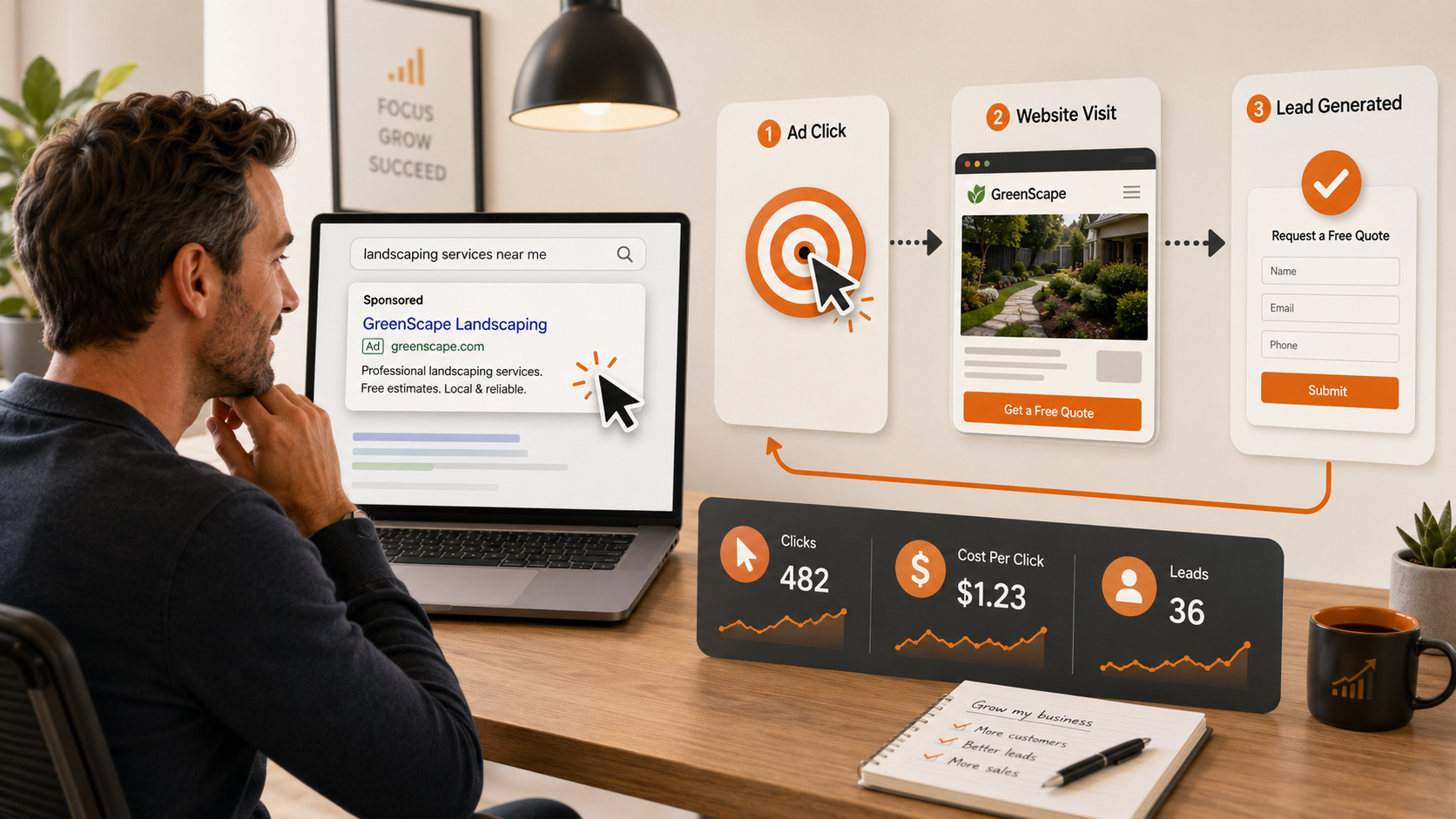
The defining feature here is that you pay per click every time someone clicks your ad, whether or not they end up contacting you. In exchange, you get far more control: you choose the keywords you want to show up for, write your own ad copy, decide where clicks land on your website, and fine-tune targeting by location, device, audience, and schedule. Google Ads is available to nearly every type of business, which makes it far more flexible than LSAs.
That flexibility comes with a trade-off: Google Ads generally requires more setup, ongoing management, and optimization to perform well and avoid wasting budget.
Side-by-Side Comparison
| Feature | Local Services Ads | Google Ads |
|---|---|---|
| How you pay | Per lead (call or message) | Per click |
| Where they appear | Very top, above search ads | Below LSAs, throughout search & beyond |
| Trust badge | Google Guaranteed / Screened | None |
| Setup & verification | Background, license & insurance checks | No verification; faster to launch |
| Who can use it | Eligible service & professional industries | Nearly all businesses |
| Targeting control | Google matches by service & service area | You choose keywords, audiences & locations |
| Ad format | Simple, profile-based | Custom text, images, video, shopping |
| Best for | Local service businesses wanting calls | Broad reach, control & scalability |
The Pros and Cons
Local Services Ads shine when you want qualified phone calls with minimal management. Paying per lead keeps your spend tied to real opportunities, the trust badge boosts credibility, and the top placement is hard to beat. The downsides: you have less control over targeting and messaging, eligibility is limited, and you’ll need to keep up with reviews and fast response times to rank well.
Google Ads shines when you want control and reach. You can target specific keywords and audiences, run campaigns across search, display, video, and shopping, and scale up or down at will. The downsides: you pay for every click regardless of outcome, and it takes more expertise and ongoing optimization to keep your cost per lead low.
When to Use Each
Lean toward Local Services Ads if you’re a local service business HVAC, plumbing, roofing, electrical, cleaning, and similar trades that mainly wants inbound phone calls and values the trust that comes with the Google Guaranteed badge. It’s often the most efficient first move for these businesses.
Lean toward Google Ads if you need broader reach, want to control exactly which searches trigger your ads, sell products online, or operate in an industry that isn’t eligible for LSAs. It’s also the better tool when you want to drive traffic to specific landing pages or run remarketing.
Why Many Businesses Use Both
For many local businesses, this isn’t an either/or decision. Local Services Ads and Google Ads occupy different spots on the results page, so running both lets you capture more of the screen and more of the demand LSAs at the very top for high-trust calls, and Google Ads to control specific searches, promote offers, and remarket to people who didn’t convert the first time.
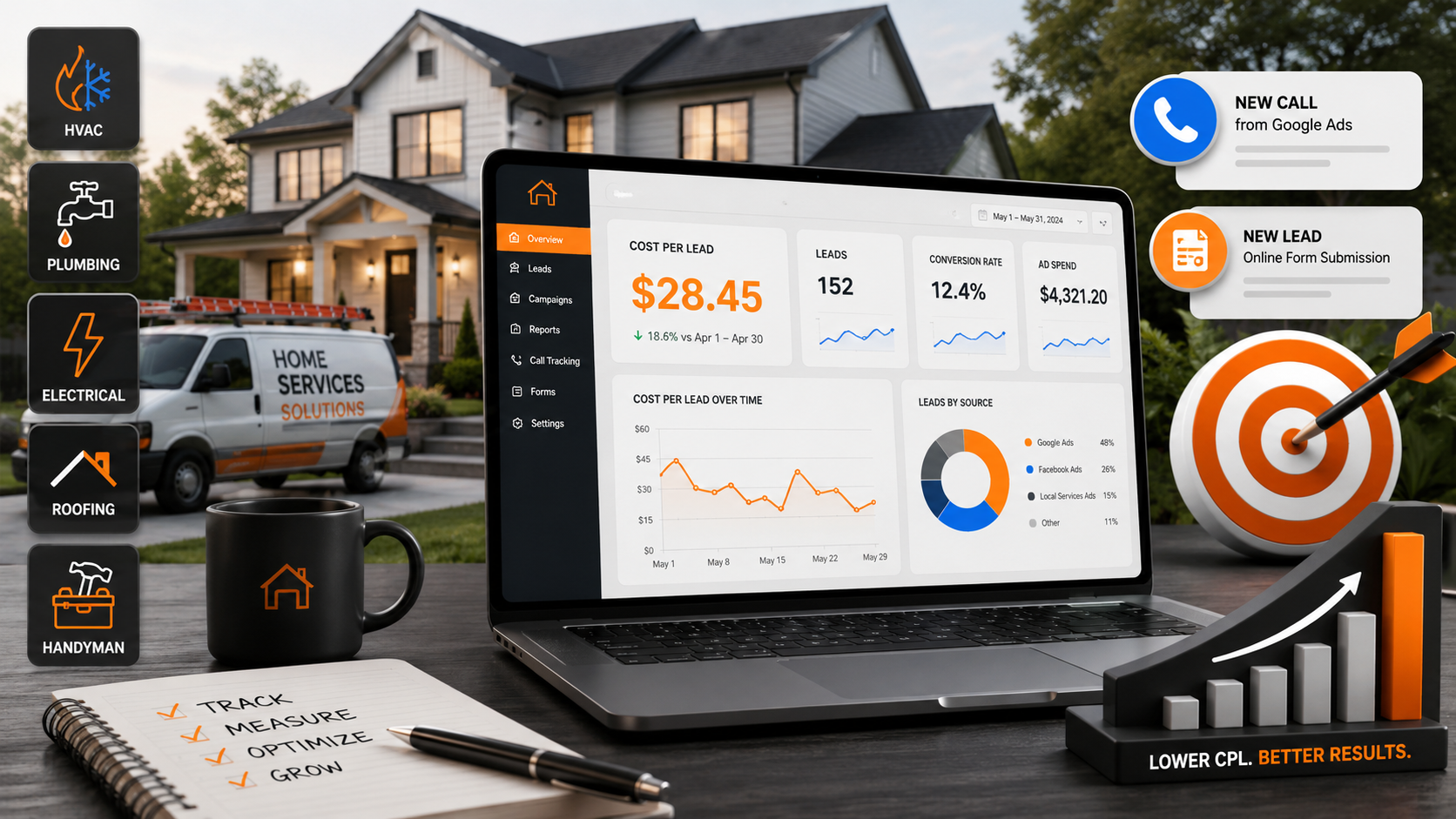
The right mix depends on your industry, budget, and goals. Tracking your leads from each channel is what tells you where your money works hardest, so you can shift budget toward whichever is delivering the best cost per booked job.
Not Sure Which Is Right for You?
Both platforms can grow your business the key is matching the strategy to your industry, goals, and budget, then measuring results so every dollar counts. That’s exactly what we help with.
Red Beard Digital builds and manages both Local Services Ads and Google Ads campaigns for businesses across Southwest Florida, with transparent reporting and call tracking so you always know which ads are producing real leads. Schedule a free consultation and we’ll recommend the right approach for your business.